
Maple Tree - Autumn’s Fiery Artist (And Year-Round Beauty)

Few trees command attention like maple trees in their autumn glory. These deciduous wonders transform entire landscapes with their carnival of crimson, gold, and tangerine hues each fall - a display that places them among the most celebrated fall trees worldwide. For a deeper look at the incredible diversity of all species, explore our guide on Types of Trees. But beyond their seasonal spectacle, maple tree varieties play vital ecological roles year-round, from providing early spring nectar for pollinators to producing the sap we boil into maple syrup.
Their versatility shines when paired with evergreen trees for winter contrast, creating dynamic landscapes through all seasons. Whether you’re drawn to the sugar maple’s sweet harvest or the Japanese maple’s delicate silhouette, this guide explores the science, cultivation, and cultural significance of these arboreal treasures.
🌲 People Who Love Trees. Clothing That Fights For Them. Every Natura Nation order plants 3 trees and sends 2% to wildlife conservation. Welcome to the nation. → Shop Nature Clothing
The Maple Tree’s Extraordinary Biology
1. Leaf Science and Fall Color
The iconic maple leaf is a masterpiece of natural engineering. Most species feature palmate leaves with 3-9 distinct lobes, though exceptions like the boxelder maple (Acer negundo) have compound leaves. This lobed structure maximizes sunlight capture while allowing wind to pass through, reducing storm damage.
The magic of fall color stems from complex chemistry:
- Chlorophyll breakdown in autumn reveals hidden pigments
- Anthocyanins produce reds and purples in acidic soils
- Carotenoids create yellows and oranges in alkaline conditions
- Sugar concentration intensifies colors (best in sunny, cool autumns)
Pro Tip: Soil pH directly impacts color. For redder sugar maples, amend soil with peat moss to increase acidity.
For a closer look at the science and splendor of these vibrant colors, explore our guide on Red Trees.
2. Sap Production and Maple Syrup
The sugar maple (Acer saccharum) reigns supreme for syrup production, but red and black maples can also be tapped. Sap flow follows precise natural triggers:
- Requires freezing nights (below 32°F) and thawing days (above 40°F)
- Flows best in late winter (February-March in northern climates)
- A mature tree (12-20" diameter) can sustain 1-2 taps without harm
3. Growth Habits and Lifespan
Maple growth rates vary dramatically by species:
|
Species |
Height at Maturity |
Annual Growth |
Lifespan |
|
Sugar Maple |
60-75 ft |
12-24" |
300+ years |
|
Red Maple |
40-60 ft |
24-36" |
150 years |
|
Japanese Maple |
15-25 ft |
6-12" |
100 years |
For a full breakdown on different Tree Names and their classifications, check out our comprehensive guide.
Their root systems typically extend 2-3 times wider than the canopy, making proper siting crucial near structures.
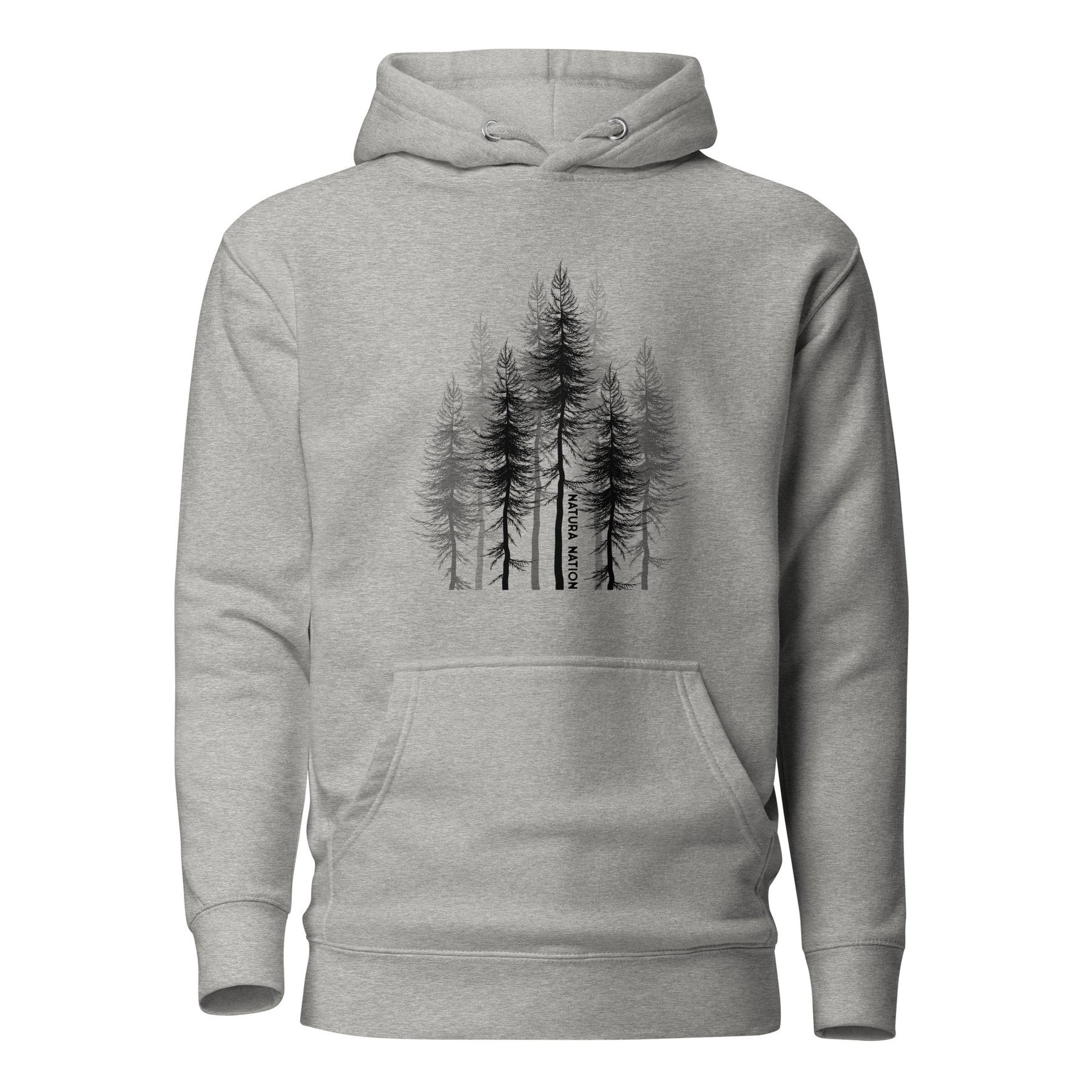
For those who set an alarm to watch light move through trees
Whispering Forest Pines
There's a specific kind of light that only exists in a forest before 8am, the kind that moves through the canopy in columns and makes everything underneath it look like it was placed there on purpose. Chasing that light is a life choice. This hoodie was made for people who've made it.
Wear the wild. Wear nature. 🌲

5 Must-Grow Maple Tree Varieties
1. Sugar Maple (Acer saccharum)
The undisputed king of maple tree varieties, this North American native offers:
- Spectacular fall color: Fiery orange-red leaves that persist for weeks
- Syrup potential: Highest sugar content (2-3%) of all maples
- Wildlife value: Seeds feed 27 bird species; cavities shelter owls
Landscape Tip: Plant where you’ll enjoy both its summer shade and autumn show. Avoid compacted soils. For more expert advice on selecting and planting trees for your outdoor space, read our guide on Landscaping Trees.
2. Red Maple (Acer rubrum)

Early to wake and early to color, the red maple:
- Blooms with red flowers in March (critical early nectar source)
- Thrives in wet soils where other maples struggle
- Shows genetic color variation: Some individuals turn yellow, not red
Cultivar Spotlight: ‘October Glory’– consistently brilliant red fall color
3. Japanese Maple (Acer palmatum)
These ornamental gems offer unparalleled diversity:
- Leaf forms: Lace-leaf (dissectum), broadleaf, variegated
- Colors: Purple (‘Bloodgood’), gold (‘Aureum’), coral-bark (‘Sango-kaku’)
- Sizes: From 6’ dwarfs to 25’ specimens
For more on how to incorporate trees with aesthetic appeal into your space, our guide on Ornamental Trees offers detailed insights.
Care Note: Morning sun/afternoon shade prevents leaf scorch in hot climates.
4. Silver Maple (Acer saccharinum)
The speedster of maples:
- Grows 3-7 ft/year – ideal for quick shade
- Tolerates flooding – perfect for rain gardens
- Caution: Brittle branches require regular pruning
5. Paperbark Maple (Acer griseum)
A four-season stunner:
- Exfoliating bark: Cinnamon-colored sheets peel year-round
- Fall color: Brilliant red-orange
- Conservation status: Endangered in native China
Explore more types of trees in our comprehensive article: Types of Trees
Planting and Care Guide
1. Site Selection
Maples thrive when:
- Planted in morning sun/afternoon shade (except sugar maples needing full sun)
- Given well-drained soil with pH:
- Sugar maple: 5.5-7.3
- Red maple: 4.5-7.5
- Japanese maple: 5.5-6.5
Pro Tip: Test drainage by digging a 12" hole and filling it with water. It should drain within 2 hours.
2. Planting Steps
1. Dig hole 2-3x wider than root ball
2. Score roots if pot-bound
3. Plant high (root flare 1-2" above soil)
4. Mulch with 3" wood chips (keep away from trunk)

3. Common Problems and Solutions
|
Issue |
Cause |
Solution |
|
Leaf scorch |
Drought/heat |
Deep weekly watering |
|
Tar spots |
Fungus |
Rake fallen leaves |
|
Verticillium wilt |
Soil fungus |
Plant resistant varieties |
Cultural Significance
From Canada’s flag to Japanese momiji-gari (autumn leaf viewing), maples hold deep meaning:
- Symbolism: In Celtic lore, maples represented independence
- Wood uses: Furniture, bowling alleys, violin backs
- Climate concerns: Sugar maples are migrating north at 10 km/decade
For a look at another tree with significant cultural importance, especially during the holidays, read our guide on Types of Christmas Trees.
Protecting the Trees with Natura Nation
Trees are not background. They are the story: oxygen, climate, shelter, and life itself, all written in rings you will never see. At Natura Nation, we built our entire brand around one belief: that loving trees has to mean more than knowing about them. Every piece in our nature clothing collection plants 3 trees in the ground and sends 2% to wildlife conservation automatically, with every single order, no opt-in required. You buy a tree shirt or a hoodie from our tree collection, and trees go in the ground. That is not a marketing line; it is the only reason we exist. See our impact and decide if you want to be part of it.
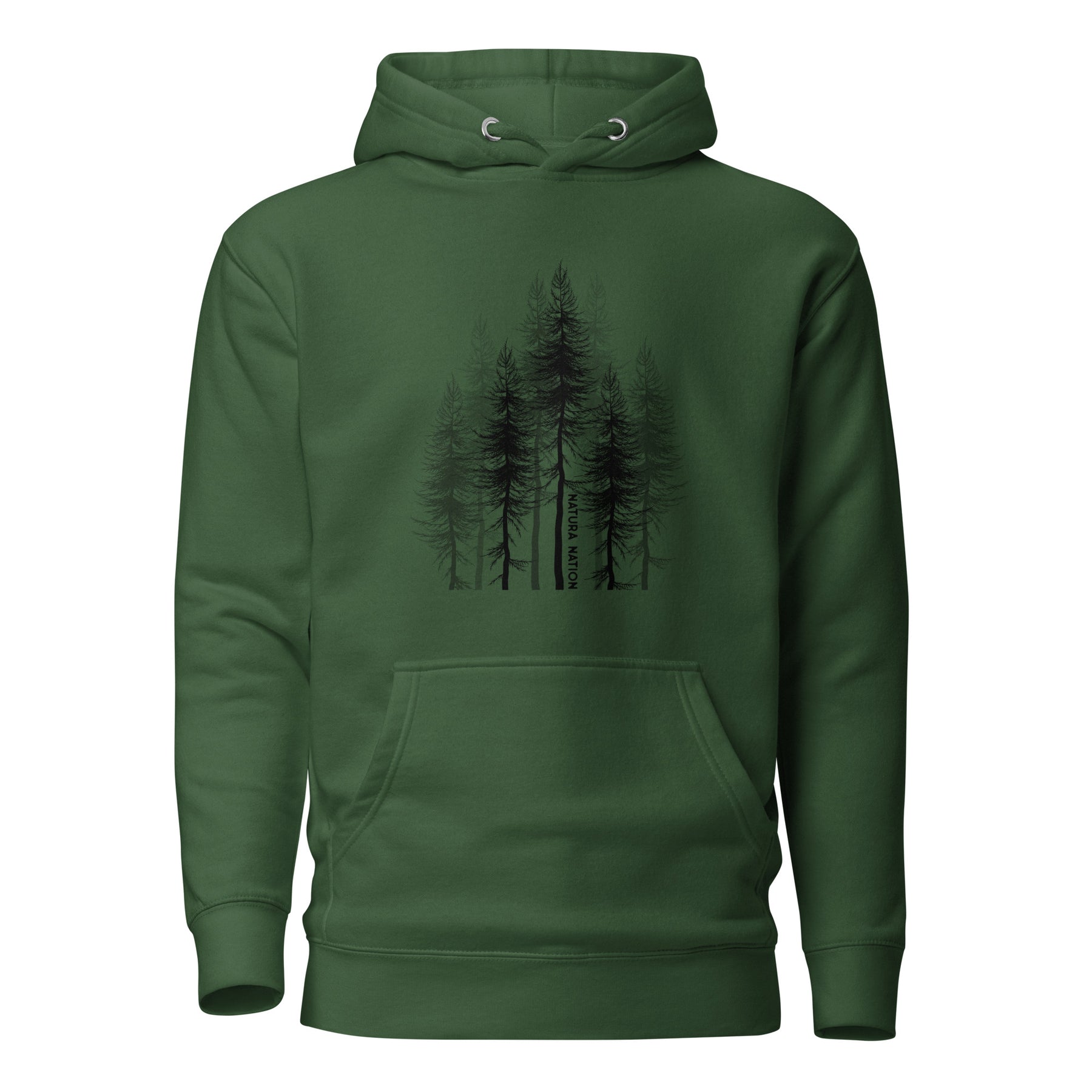
NATURE'S GREATEST SHOW. YOUR NEW FAVORITE HOODIE.
Whispering Forest Pines Hoodie - Forest Green
This special edition forest green hoodie features our iconic pine tree design, crafted for deep forest exploration. Inspired by the dense, vibrant canopy of ancient forests, its deep, earthy tone captures the spirit of untamed wilderness and connection to nature's profound tranquility.
Crafted for comfort, designed for those who feel most at home among the trees.
✔ Premium mid-weight comfort
✔ Nature-inspired design built for the wild
✔ 3 trees planted with every order
Conclusion: The Enduring Legacy of Maple Trees
Far more than just seasonal spectacles, maple trees provide continuous value through nature's annual cycle. These arboreal treasures burst to life in spring as critical early nectar sources for pollinators, with sugar maples producing sap that sustains both wildlife and maple syrup production. Summer reveals their ecological prowess - a single mature maple tree variety can intercept over 4,000 gallons of stormwater annually while reducing urban temperatures by up to 10°F.
When autumn arrives, their fiery foliage (from the iconic sugar maple's scarlet to the red maple's crimson) delivers nature's most breathtaking display, but their winter contribution is equally vital - intricate branch patterns shelter overwintering birds and create striking silhouettes against snowy landscapes.
By planting native species like the Acer saccharum or Acer rubrum, we create living legacies that will purify air, stabilize soil, and inspire wonder for centuries. As research from the Arbor Day Foundation confirms, these low-maintenance giants support 285+ wildlife species while increasing property values by up to 15%. Whether tapped for syrup, climbed by children, or simply admired, maples prove that the most rewarding investments grow slowly and stand tall through generations.
FAQs - Maple Tree
1. Can I tap my backyard maple for syrup?
Yes! Any maple over 12" in diameter can be tapped. Sugar maples yield the sweetest sap.
2. Why are my maple’s leaves curling?
Common causes:
- Aphids (check leaf undersides)
- Drought stress
- Herbicide drift
3. Which maple is best for small spaces?
Japanese maple ‘Shishigashira’ (10’ tall) or paperbark maple (20’).
4. How to tell a sugar maple vs. a Norway maple?
- Sugar: Milky sap when leaf stem broken
- Norway: Clear sap, invasive in North America
References: Maple Tree
Arbor Day Foundation Maple Guide
University of Vermont Proctor Maple Research Center


